So, you’re driving through the charming streets of Massachusetts, maybe along the scenic routes of Cape Cod or the bustling avenues of Boston. But have you ever stopped to wonder, “How much is auto insurance in Massachusetts?” Well, buckle up, because we’re about to take a ride through the essentials of auto insurance in the Bay State.
Understanding the ins and outs of Massachusetts auto insurance can be a game-changer. From minimum coverage requirements to factors that influence your premium, we’ll help you navigate this complex terrain with ease, ensuring you make informed decisions. Let’s dive into the intricacies of auto insurance in this state.


Understanding Auto Insurance Basics in Massachusetts
Did you know that driving without insurance can result in fines up to $5,000 in Massachusetts? That’s why understanding auto insurance basics is crucial for every driver in the Bay State. Let’s break it down.
Auto insurance isn’t just a legal formality—it’s your financial safety net. In Massachusetts, every driver must meet mandatory minimum coverage requirements to hit the road legally. BUT don’t let the bare minimum coverage fool you into thinking you’re fully protected.
Mandatory Minimum Coverage Requirements
Massachusetts law requires drivers to have a minimum of $20,000 per person and $40,000 per accident in bodily injury coverage. In addition, you need at least $5,000 in property damage liability coverage. It’s the least you can have, literally.
There’s also a requirement for Personal Injury Protection (PIP) of $8,000 per person, which covers medical expenses regardless of who’s at fault. But here’s the deal: these limits may not suffice in major accidents.
Types of Coverage Options
While the state mandates these minimums, there are additional coverage options that can save you from financial ruin. Some of these include Collision, Comprehensive, and Uninsured/Underinsured Motorist Coverage. They cover everything from collisions, non-collision-related damages, to accidents with uninsured drivers.
Adding these might push up your premium, but they provide a layer of protection that could be invaluable. So, how do you choose? Consider your driving habits, vehicle value, and personal financial situation.
Pro Tip: Always assess your risk tolerance and budget before selecting additional coverages. A little extra now can mean a lot less out-of-pocket later.
The Massachusetts Auto Insurance Plan
Some drivers find it challenging to get insurance due to various factors. Enter the Massachusetts Auto Insurance Plan (MAIP). It’s a safety net for high-risk drivers, ensuring they can still get the mandatory coverage needed.
MAIP assigns drivers to insurers, distributing the risk across companies. While it helps you get insured, premiums through MAIP can be higher. BUT it’s a lot better than driving uninsured and facing hefty penalties.
Understanding these basics isn’t just about following the law—it’s about protecting yourself and your assets on the road. So, are you ready to review your coverage?
Factors Influencing Auto Insurance Rates in Massachusetts
Did you know that your zip code can make a big dent in your auto insurance bill? It’s true! Where you live in Massachusetts plays a crucial role in determining your insurance premiums.
But that’s just the tip of the iceberg. There are various other factors that can either skyrocket your rates or keep them low. Let’s dive deep into the specifics.
Location and Its Impact on Insurance Costs
Your location in Massachusetts can have a massive impact on your insurance rates. Urban areas like Boston typically have higher premiums due to increased traffic congestion and crime rates, which in turn leads to more claims. On the flip side, if you live in a rural area, you might enjoy lower rates because there’s less risk involved. Pro Tip: If you’re moving within Massachusetts, check how your new zip code will affect your insurance rates.
Driver’s Age and Driving History Effects
Here’s the deal: young drivers often face higher insurance rates because they’re statistically more likely to be involved in accidents. If you’re a teenager or in your early 20s, expect to pay more. But, as you age and gain more experience behind the wheel, your rates should decrease—assuming you have a clean driving record. However, if you’ve racked up a few speeding tickets or been in accidents, those premiums can spike regardless of age.
Insurance companies reward a clean driving history with lower rates.
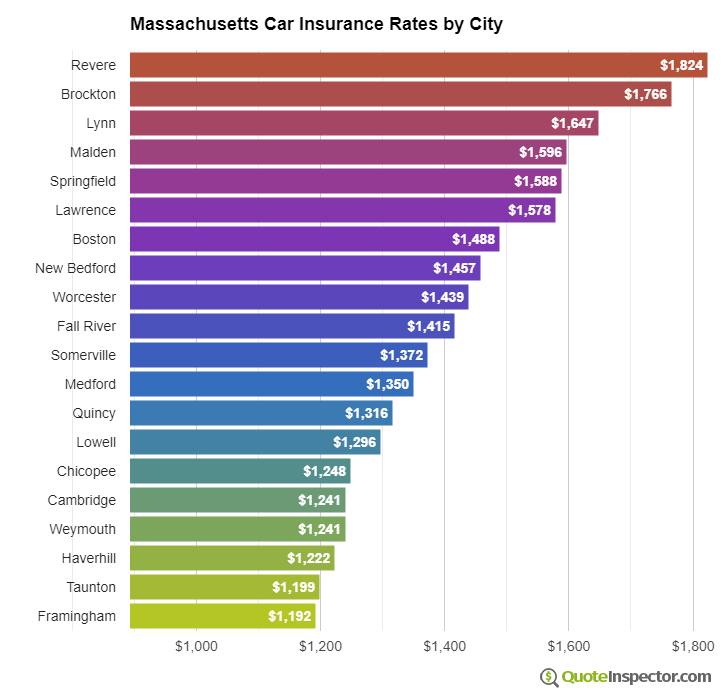
Comparative Analysis of Location-Based Insurance Rates
Let’s compare how location affects insurance costs within Massachusetts:
| City | Average Annual Premium |
|---|---|
| Boston | $1,800 |
| Worcester | $1,500 |
| Springfield | $1,350 |
| Pittsfield | $1,200 |
As you can see, living in Boston is quite an expensive affair when it comes to auto insurance. Always consider the cost implications of your location before making a move.
Average Cost of Auto Insurance in Massachusetts
Did you know that where you live can drastically change your auto insurance rates? In Massachusetts, that difference is more pronounced than you might expect.
On average, auto insurance in Massachusetts costs around $1,200 annually. This figure places Massachusetts among the pricier states for car insurance. But there’s much more to the story than just a state average.
Urban vs. Rural Insurance Rates
Living in a bustling city like Boston? Expect to pay a premium. Urban areas typically have higher rates due to increased traffic, crime, and accident likelihood. In contrast, rural residents might see lower premiums thanks to decreased risk factors.
Here’s the deal: A driver in Boston might pay as much as 20-30% more than someone in a rural town. So, if you’re thinking of moving, consider how your auto insurance might be affected!
Comparing Massachusetts to Other States
How does Massachusetts stack up against other states? Is your premium significantly higher or just above average? Check out this table for a quick comparison of average auto insurance costs:
| State | Average Annual Cost |
|---|---|
| Massachusetts | $1,200 |
| California | $1,500 |
| New York | $1,450 |
| Florida | $1,400 |
| Texas | $1,200 |
Pro Tip: Always shop around and compare rates. You’d be amazed at how much you can save by simply asking for a better deal!
Strategies for Reducing Auto Insurance Costs
Did you know that the average American spends over $1,000 a year on auto insurance? That’s a big chunk of change! But here’s the deal: you don’t have to break the bank to stay covered.
By employing a few savvy strategies, you can slash those premiums and keep more cash in your wallet. Let’s dive into how you can make that happen.
Methods for Obtaining Discounts on Auto Insurance
Here’s a little-known fact: every insurer offers a bunch of discounts that most people never take advantage of. These can range from safe driver discounts to multi-car savings. And if you’re a good student or a military member, you’re likely eligible for even more savings.
- Ask your insurer about available discounts.
- Consider taking an approved defensive driving course.
- Keep a clean driving record.
Pro Tip: Always revisit your policy annually to ensure you’re still getting the best deal.
Actions Drivers Can Take to Lower Their Premiums
If you’re willing to put in a little effort, you can take actionable steps to lower your premiums. Start by comparing rates from different insurers. It’s amazing how much rates can vary. Also, think about increasing your deductible if you want to lower your monthly payments.
- Shop around for quotes once a year.
- Choose a higher deductible for less monthly cost.
- Maintain a good credit score.
Remember, a little legwork now can lead to significant savings later.
The Benefits of Bundling Insurance Policies
Bundling your insurance policies isn’t just a clever marketing term; it’s a serious money saver. When you combine your auto insurance with other policies like home or renters insurance, many companies offer hefty discounts.
Here’s why you should consider it: it’s convenient, as everything is streamlined under one provider. Plus, the savings can be surprisingly substantial.
| Coverage Type | Potential Savings |
|---|---|
| Auto + Home | Up to 25% |
| Auto + Renters | Up to 10% |
Bundling isn’t just about saving money; it’s about simplifying your life.
Take a moment to review your current policies. The savings from bundling can be a pleasant surprise!
Choosing the Right Auto Insurance Provider in Massachusetts
Did you know that not all auto insurance providers are created equal? Picking the right insurer can save you a ton of money and headaches down the road.
But how do you choose the perfect provider for your needs? Here is the deal: you need to evaluate them based on a few crucial criteria.
Criteria to Evaluate and Compare Insurance Providers
The first step in choosing your insurance provider is to compare coverage options. Does the insurer offer comprehensive, collision, and liability coverage that suits your needs?
- Check if they offer additional benefits like rental car reimbursement or roadside assistance.
- Compare the deductibles and coverage limits to ensure they’re reasonable for your situation.
- Look at discounts available for safe driving, bundling policies, or having anti-theft systems.
Guide to Reading and Understanding Insurance Policy Terms
Insurance jargon can be mind-numbing. Terms like “premium”, “deductible”, and “exclusion” might seem overwhelming. But understanding them is essential.
Start by looking at the declarations page, which summarizes your coverage, policy period, and premium. Then, dive into the details to see what is and isn’t covered.
Pro Tip: Always ask for a sample policy document before committing, so you’re fully aware of the terms and conditions.
Importance of Customer Service and Claims Handling
Imagine having an accident and your insurer takes ages to respond. Frustrating, right? This is why customer service and claims handling are crucial.
Read reviews and ratings to see how well the company handles claims processing. Are they prompt and fair? Check if there’s a 24/7 hotline for emergencies.
Also, consider the insurer’s reputation. A company with a stellar track record is more likely to treat you well when you need them the most.
Legal and Regulatory Aspects of Auto Insurance in Massachusetts
Did you know driving without insurance in Massachusetts can lead to fines and even jail time? That’s why understanding the legal and regulatory aspects of auto insurance is crucial if you’re behind the wheel in the Bay State.
The state has specific regulations governing the minimum insurance coverage you need, how claims should be filed, and the penalties for non-compliance. Let’s dive into the details so you can stay on the right side of the law.
State Regulations on Insurance Coverage and Claims
Massachusetts requires you to have minimum coverage that includes bodily injury to others, personal injury protection, bodily injury caused by uninsured autos, and damage to someone else’s property. BUT that’s just scratching the surface. Knowing these requirements can save you from hefty penalties and provide financial protection in the event of an accident.
When it comes to filing claims, Massachusetts is a no-fault state. This means your insurance coverage pays for your injuries regardless of who caused the accident. It’s designed to streamline the process, but it also means you need to be meticulous about your coverage limits to ensure you’re fully protected.
Penalties for Driving Without Insurance in Massachusetts
Think driving without insurance isn’t a big deal? Think again. Massachusetts takes this offense very seriously. If you’re caught, you could face fines up to $5,000, a year in jail, or both—and that’s on top of a potential one-year suspension of your driver’s license. The consequences are steep, and the risks aren’t worth it.
Pro Tip: Always carry proof of insurance in your vehicle. It’s your best defense against these severe penalties.
Recent Legislative Changes Affecting Auto Insurance Policies
Regulations aren’t static, and recent legislative changes in Massachusetts could impact your auto insurance policy. Lawmakers are increasingly focusing on ride-sharing services and how they fit into existing insurance frameworks. This means if you’re a driver for a service like Uber or Lyft, you need to stay updated on how these changes affect your policy.
Additionally, there’s been a push towards more transparency in how insurance rates are calculated. This could mean more predictable premiums for you in the near future, as the state moves towards fairer pricing models. Here is the deal: keeping abreast of these changes can help you make informed decisions about your coverage.
Last Word
Whether you’re a seasoned driver or a new road explorer in Massachusetts, understanding your auto insurance is crucial. With the right knowledge and strategies, you can not only comply with the legal requirements but also optimize your insurance expenses. By choosing the right coverage and provider, you’re not just protecting your car, but also your financial well-being. Drive safe, and make sure your insurance is as smooth as your ride!
Answers to Common Questions
What is the minimum required auto insurance coverage in Massachusetts?
Massachusetts law mandates minimum coverage, including Bodily Injury to Others, Personal Injury Protection (PIP), Bodily Injury Caused by an Uninsured Auto, and Damage to Someone Else’s Property.
How do location and zip code impact auto insurance rates in Massachusetts?
Insurance costs can vary significantly based on location, with urban areas typically having higher premiums due to increased traffic and accident rates.
Does age affect how much I pay for auto insurance in Massachusetts?
Yes, younger drivers often face higher insurance rates due to inexperience, while older drivers may benefit from lower premiums if they have a clean driving record.
How can I reduce my auto insurance costs in Massachusetts?
You can lower your costs by taking advantage of discounts, maintaining a good driving record, bundling policies, and selecting higher deductibles.
What are the consequences of driving without insurance in Massachusetts?
Driving without insurance in Massachusetts can lead to severe penalties, including fines, license suspension, and potential legal action.