Are you a small business owner juggling a million tasks, and wondering if you really need insurance? You’re not alone. In today’s volatile market, having the right insurance can be a game-changer for your business. It’s not just about ticking a box; it’s about safeguarding what you’ve worked so hard to build.
In this guide, we’re diving deep into the world of small business insurance. From understanding the different policy types to knowing how to choose the right coverage, you’ll find everything you need to ensure your business is protected from unforeseen challenges. Let’s get started!


Types of Small Business Insurance Policies
Did you know that 40% of small businesses have no insurance? That’s a ticking time bomb waiting to explode. But with the right policies, you can protect your business from unexpected disasters.
Understanding the different types of insurance policies available is crucial for small businesses. Here’s the deal: not all insurance policies are created equal. You need to know what each offers and how it applies to your specific industry.
General Liability Insurance
General Liability Insurance is like the Swiss Army knife of insurance policies. It covers a wide range of incidents like bodily injury, property damage, and advertising injury. If someone slips in your store, this policy’s got you covered. Critical for retailers and customer-facing businesses.
Professional Liability Insurance
Professional Liability Insurance, also known as Errors and Omissions (E&O) insurance, is a must-have for service providers. If you’re in the business of offering advice, like consultants or accountants, this policy safeguards you against claims of negligence or inadequate service. Vital for professional services industries.
Commercial Property Insurance
Commercial Property Insurance protects the physical assets of your business. Think buildings, equipment, and inventory. If a fire breaks out or theft occurs, this policy ensures your business can bounce back quickly. Essential for manufacturing and inventory-heavy businesses.
Comparison of Key Insurance Policies
Here’s a quick comparison to see which policy suits your business needs best:
| Insurance Type | Coverage | Industry Suitability |
|---|---|---|
| General Liability | Injury, Property Damage, Advertising Injury | Retail, Hospitality, Customer-Facing |
| Professional Liability | Negligence, Legal Defense | Consultancy, Legal, Financial Services |
| Commercial Property | Physical Damage, Inventory Loss | Manufacturing, Warehousing, Retail |
Pro Tip: Always assess your business’s specific risks and consult with an insurance advisor to tailor the perfect coverage package.
Importance of Small Business Insurance
Did you know that 40% of small businesses never reopen after a disaster? Insurance isn’t just a “nice-to-have”. It’s a must if you want to safeguard your business from unexpected hits.
Here’s the deal: when you’re running a business, things can go south fast. Think lawsuits, property damage, or even natural disasters. Without insurance, you could be financially crushed overnight. BUT with the right insurance, you can focus on growth instead of constantly looking over your shoulder.
Scenarios Where Insurance Protects Businesses
Picture this: a fire breaks out in your office, destroying everything. Or a customer slips, falls, and sues you for medical expenses. These aren’t just nightmare scenarios; they’re realities for many business owners. Insurance steps in to cover those massive financial gaps.
With a policy in place, unexpected events don’t have to spell doom. Instead, they become manageable hurdles. Let insurance carry some of the weight so you can keep your business on track.
Imagine this: a cyberattack takes down your entire online store. Without insurance, you’re not only dealing with lost sales but also costly data recovery and potential legal fees. But with the right coverage? Your business stays resilient.
Consequences of Inadequate Insurance
Not having enough coverage can be as damaging as having none at all. It’s like sailing without a life vest. You might stay afloat, but one wrong wave, and you’re sunk. Inadequate insurance leaves you with gaps that can cost you thousands, if not more.
Pro Tip: Always review your coverage annually. Business needs change, and so should your insurance.
Key Protective Benefits of Small Business Insurance
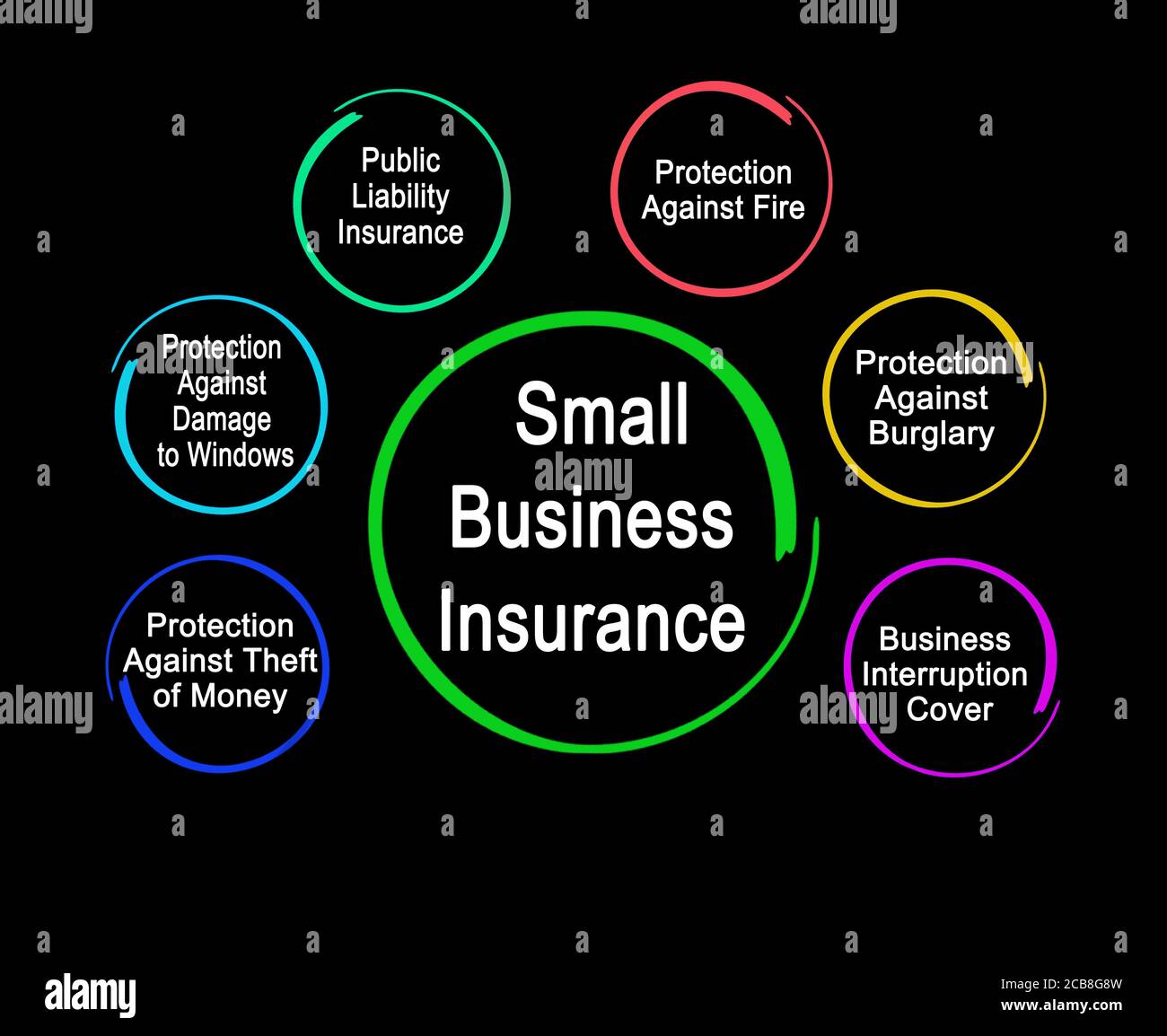
Wondering what exactly insurance protects you from? Here’s a quick rundown:
- Financial loss from lawsuits and legal claims
- Protection against property damage
- Employee injury and compensation coverage
- Business interruption from unforeseen events
- Coverage for theft and vandalism
- Data breach and cyber liability protection
How to Choose the Right Insurance Coverage
Did you know that 40% of small businesses never reopen after a disaster? That’s a shocking stat. Choosing the right insurance coverage could be the lifeline your business needs.
But how do you sift through all the options to find the right fit? It’s not as complicated as it seems. Here’s how you can nail it step by step.
Steps to Select the Right Insurance Coverage for Your Small Business
Step #1: Identify your risks. What keeps you up at night? Whether it’s data breaches or physical damage, knowing your risks sets the stage for selecting the right policy.
Step #2: Evaluate your assets. Understand what you need to protect—be it your employees, your equipment, or even your reputation.
Step #3: Compare policy offerings. Not all policies are created equal. Look beyond the price tag.
Pro Tip: “Always read the fine print. It could save you from unexpected surprises.”
Factors to Consider When Evaluating Insurance Needs
Before diving into an insurance contract, consider these factors to ensure you’re making a smart investment:
- Business Size: Does your policy scale as your business grows?
- Industry Requirements: Some sectors require specific policies. Are you covered?
- Budget Constraints: How much can you realistically afford?
- Risk Exposure: What is the likelihood of a claim being made?
Comparing Different Insurance Providers
So you’ve identified your needs and risks. But who’s the best provider for you? Here’s a quick guide to comparing insurance providers:
| Provider | Special Features | Pricing | Customer Support |
|---|---|---|---|
| Provider A | Customizable plans, 24/7 support | $$$ | Excellent |
| Provider B | Specialized in tech industry | $$ | Good |
| Provider C | Cheapest option, basic coverage | $ | Average |
Decision-Making Flowchart for Choosing the Right Coverage
Here is the deal: making a decision doesn’t have to be a headache. Follow this flowchart to identify your ideal insurance coverage:
Start: Assess your business size and industry.
⬇️
Step 1: Define assets and risks.
⬇️
Step 2: Shortlist 2-3 providers.
⬇️
Step 3: Compare based on coverage, cost, and support.
⬇️
Decision: Choose the provider that offers the best balance for your needs.
Cost Factors and Budgeting for Insurance

Did you know that 30% of small businesses don’t have insurance? If you’re not covered, you’re risking everything. Let’s dive into how you can budget for insurance expenses without breaking the bank.
Understanding how to budget for insurance is crucial for small businesses. With the right strategies, you can protect your business without overspending. BUT, what exactly influences the cost of your insurance premium?
Factors Influencing Business Insurance Costs
Several elements can affect how much you’ll pay for business insurance. Here’s the deal: the type of industry you’re in plays a huge role. A construction business will face different risks compared to a digital marketing agency, leading to different insurance costs. Location is another biggie. If your business is in a disaster-prone area, expect higher premiums.
Then there’s the size of your business. More employees can mean increased liability, thus higher insurance costs. The coverage limits you choose also matter. Higher coverage equals higher premiums. So, how do you manage these costs efficiently?
Cost-Saving Strategies and Options
Smart budgeting can help you manage your insurance expenses. Consider bundling different types of insurance policies together. This can often lead to discounts. Another strategy is to increase your deductible. A higher deductible can lower your premium, saving you money in the long run.
Pro Tip: Regularly review your insurance policy. Make adjustments as your business grows or changes to avoid paying for coverage you don’t need.
You can also explore options like group insurance plans if you’re part of a trade association. These often come with reduced rates. Here’s how different strategies stack up cost-wise.
Comparing Insurance Costs
It’s essential to compare different insurance plans to find the best deal. Check out this table to see how various strategies can impact your costs:
| Strategy | Potential Savings | Risk |
|---|---|---|
| Bundling Policies | 10-20% | Low |
| Increasing Deductibles | 15-25% | Moderate |
| Group Insurance Plans | 5-15% | Low |
These strategies can significantly reduce your costs. Remember, the goal is to find a balance between affordability and adequate coverage.
Legal Requirements for Small Business Insurance
Did you know that in some industries, operating without the right insurance isn’t just risky—it’s illegal? If you’re not covered, you could face hefty fines or even forced closure.
Understanding the legal requirements for small business insurance is crucial to avoid these pitfalls. But here’s the deal: those requirements vary depending on your industry and location.
Industry-Specific Insurance Mandates
Every industry has its own set of insurance rules. For example, if you’re in construction, you often need workers’ compensation and general liability insurance. But a tech startup might only need professional liability coverage. The key is to know what your industry demands.
- Construction: Workers’ Compensation, General Liability
- Medical: Malpractice Insurance
- Retail: Product Liability Insurance
Consequences of Non-Compliance
Failing to comply with insurance laws isn’t just a slap on the wrist. It can mean fines, lawsuits, and even business closure. Imagine losing everything because you skipped on one policy. Trust me, you don’t want that.
Pro Tip: Always consult with a legal advisor to ensure you’re meeting all mandatory insurance requirements in your industry.
Key Legal Terms to Know
“Liability Insurance: Coverage that provides protection against claims resulting from injuries and damage to people and/or property.”
“Workers’ Compensation: A form of insurance that provides wage replacement and medical benefits to employees injured in the course of employment.”
Insurance in Risk Management and Legal Protection
Insurance isn’t just about legal compliance. It’s a tool for risk management and legal protection. It shields your business from unexpected events that could otherwise bankrupt you. If there’s one thing you take away, it should be this: insurance is your safety net.
Step #1: Identify the specific risks your business faces. Step #2: Get the necessary coverage to mitigate those risks.
Case Studies of Small Businesses and Insurance
Ever wonder how insurance can truly save a small business? You’re about to dive into some real-life examples that show exactly how having the right coverage can make or break a business.
Let’s break down these examples into clear cases, highlighting the challenges faced and the spectacular recoveries made possible by insurance.
Real-Life Benefits of Insurance for Small Businesses
Consider a small bakery that was hit by a sudden fire. Without insurance, this business would have closed its doors for good. But they had a comprehensive business insurance policy in place. This policy covered the cost of rebuilding and restocking, allowing them to reopen in just a few months.
Challenges Faced by Underinsured Businesses
Another business, a local retail shop, had only basic insurance coverage. When a flood damaged their inventory, they realized their policy didn’t cover natural disasters. The result? They had to shoulder a huge financial burden on their own. Always ensure your policy fits your specific needs.
Impact of Successful Insurance Claims
A tech startup experienced a cyberattack that threatened to leak sensitive customer data. Thanks to their cyber liability insurance, they received immediate assistance to mitigate the breach and cover legal costs. The result? Minimal damage to their reputation and a quick return to normal operations.
Case Study Summaries
Here’s a quick comparison of these cases to underline the importance of comprehensive coverage for small businesses:
| Business | Incident | Insurance Coverage | Outcome |
|---|---|---|---|
| Small Bakery | Fire | Comprehensive Business Insurance | Reopened in a Few Months |
| Local Retail Shop | Flood | Basic Insurance | Financial Strain |
| Tech Startup | Cyberattack | Cyber Liability Insurance | Quick Recovery |
Pro Tip: Always review and update your insurance policies annually to ensure they match your current business needs.
Final Thoughts
Insurance may not be the most thrilling part of running a business, but it’s undoubtedly one of the most crucial. By understanding and investing in the right insurance policies, you’re not just protecting your business; you’re ensuring its longevity and success. So, take the insights from this guide, make informed decisions, and watch your business thrive with the peace of mind that comes from being well-protected.
Common Queries
What are the three main types of small business insurance?
The three main types of small business insurance are General Liability Insurance, Professional Liability Insurance, and Commercial Property Insurance.
Why is small business insurance important?
Small business insurance is crucial because it protects against financial losses due to unforeseen events such as lawsuits, property damage, and professional errors.
How can I choose the right insurance for my small business?
To choose the right insurance, assess your business risks, compare offerings from different providers, and consider both your budget and the legal requirements in your industry.
What happens if I don’t have adequate insurance coverage?
Without adequate insurance, your business could face severe financial difficulties from unexpected events like lawsuits or natural disasters, potentially leading to bankruptcy.
Are there legal requirements for small business insurance?
Yes, legal requirements vary by industry and location. It’s important to understand your local laws to ensure compliance and avoid penalties.